
Hardware news · Gaming
ASUS announces new Prime series NVIDIA GeForce RTX graphics cards
Maurice De Pauw · June 3, 2024
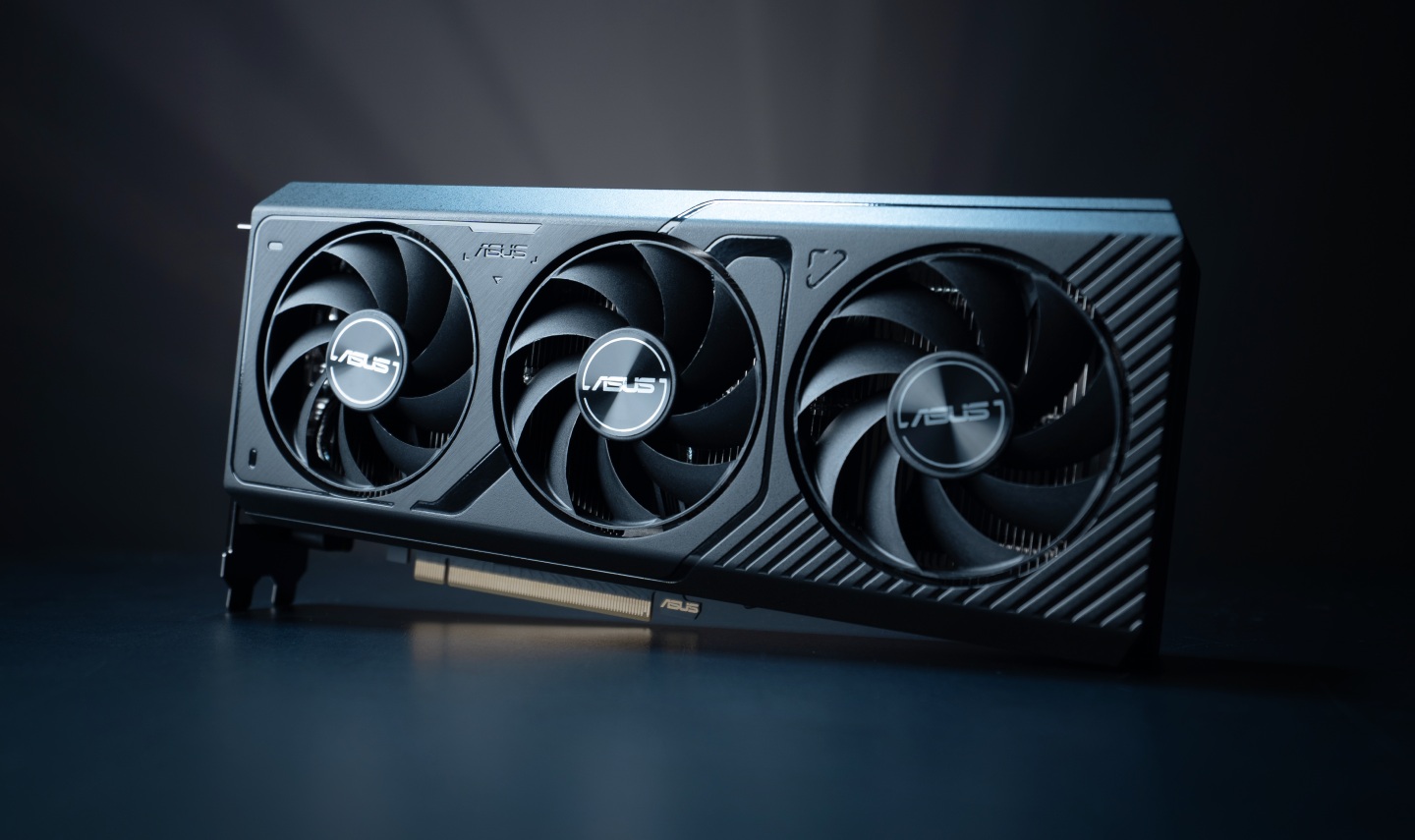
ASUS announces new Prime series NVIDIA GeForce RTX graphics cards
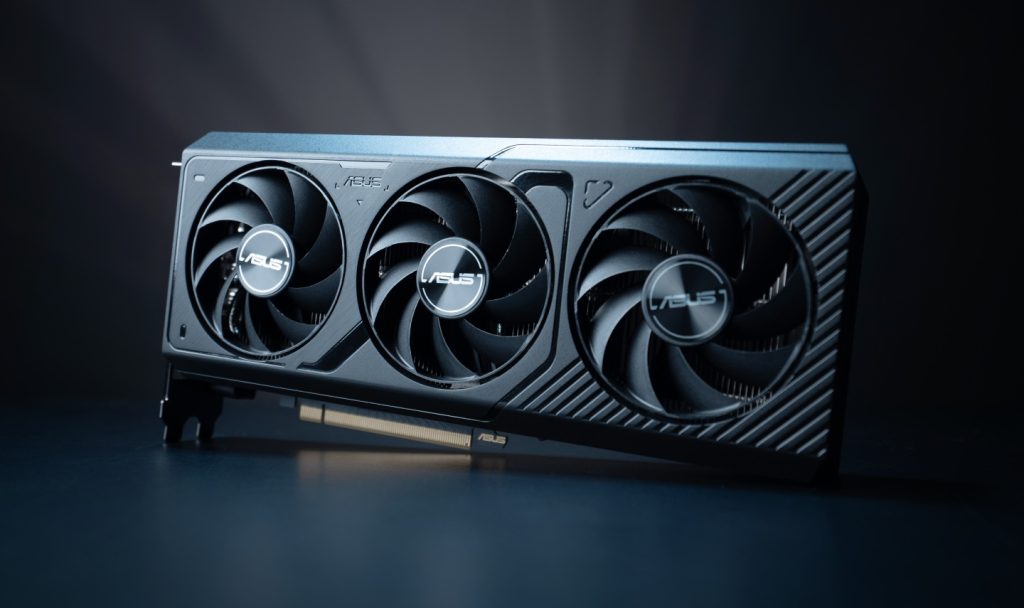
At Computex, Asus unveiled a new graphics card lineup: the Prime series NVIDIA GeForce RTX graphics cards. Want to see the Prime products directly on the Asus website? You can find them here: https://www.asus.com/motherboards-components/graphics-cards/prime/
The Asus press release on the Prime RTX cards:
“ASUS today announced the launch of the ASUS Prime graphics card family, starting with the Prime GeForce RTX™ 4070 SUPER, Prime GeForce RTX 4070 and Prime GeForce RTX 4060 Ti. Built for budget-conscious PC enthusiasts, these cards feature a triple-fan cooling solution and are slim enough for small-form-factor (SFF) builds. They are also styled to complement the popular, wallet-friendly ASUS Prime ecosystem.”
We have seen plenty of attention paid to the SFF form factor lately. Whether that trend continues remains to be seen, of course. Although I also prefer more compact builds, that alone does not tell us much… Still, I can see how a more compact build would free up space in your gaming room. Below are some additional details included in the announcement:
Sleek and slim, yet packed with GPU power
Many builders today embrace the challenge of building a powerful PC in an ultracompact SFF chassis. The new NVIDIA® GeForce® SFF-Ready program simplifies the process of building a space-saving PC by labeling SFF-ready cases and graphics cards. By choosing an SFF-ready chassis and GPU, users can be confident that the components will fit together and enjoy a smoother building experience.
Every Prime graphics card features three nine-blade Axial-tech fans. A vented backplate optimized for airflow works with these dynamic fans to keep noise levels and temperatures under control. For silent operation under light loads, these graphics cards feature 0 dB technology, allowing the fans to stop spinning entirely when temperatures permit. A physical Dual BIOS switch lets users choose between performance and quiet modes with the flick of a finger.
Highly durable dual-ball fan bearings offer twice the lifespan of other options, while the cards also feature long-lasting capacitors. In addition, these cards are built using ASUS Auto-Extreme Technology, which automates the manufacturing process so that all soldering is completed in a single pass. This reduces thermal stress and environmental impact while helping create a product that will stand the test of time.
A seamless fit for the Prime ecosystem
Looking at the Prime family of DIY PC components, users will notice a shared style built around a classic black-and-white color scheme, understated space-age design elements and minimal RGB LED lighting effects. Prime graphics cards perfectly complement this design language with clean aesthetics and a predominantly black finish that lets their performance do the talking.
For years, ASUS Prime motherboards have catered to mainstream builders looking for well-rounded, affordable options. The Prime X670E-Pro WiFi, for example, provides a cost-effective platform for anyone building a next-generation AMD PC.
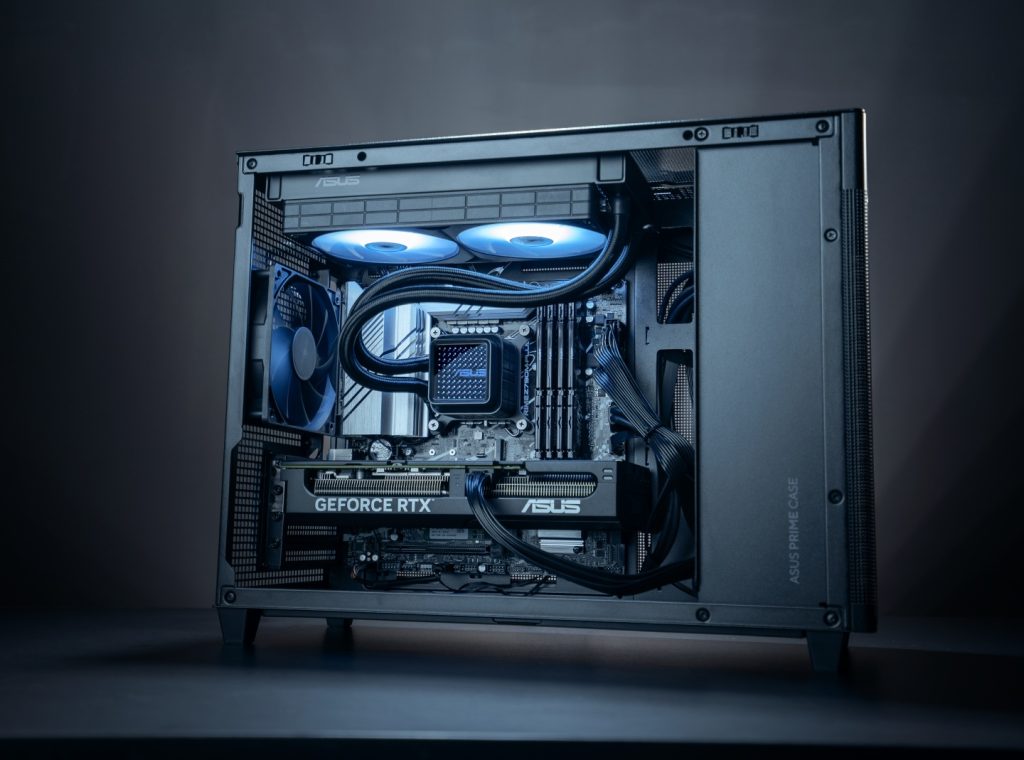
The Prime ecosystem goes a step further with the ASUS Prime AP201 chassis, a microATX option available with either a tempered-glass or mesh side panel. ASUS has also just announced the first Prime AIO liquid CPU cooler.
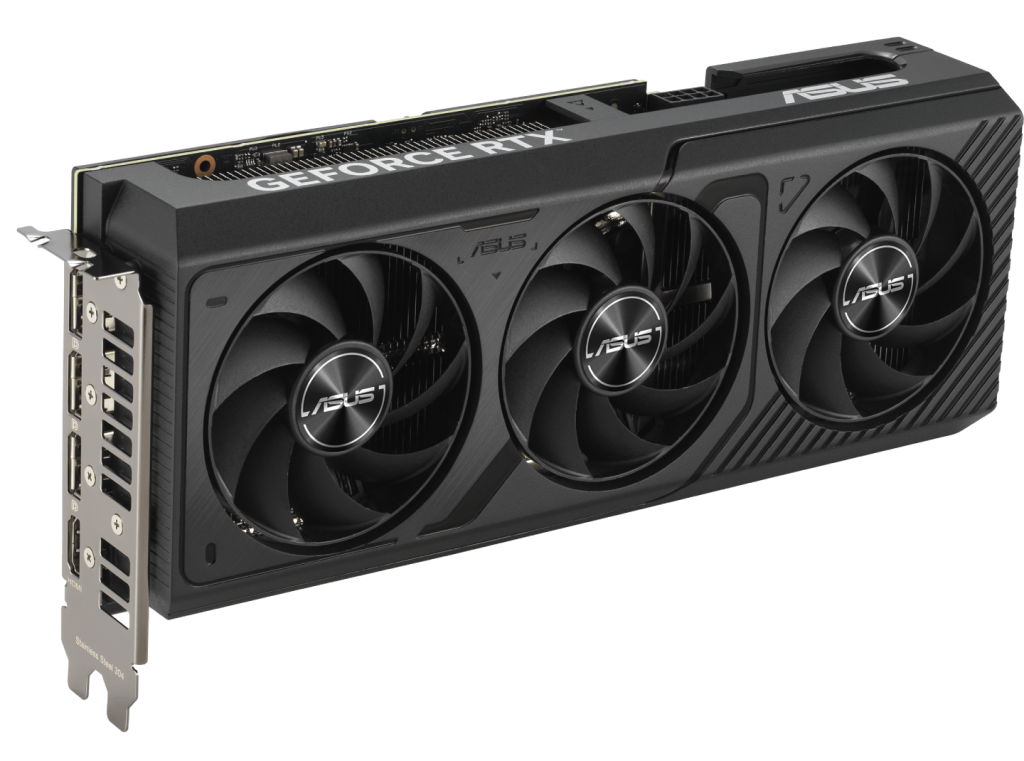
Game on with Prime
The Prime GeForce RTX 4070 SUPER, Prime GeForce RTX 4070 and Prime GeForce RTX 4060 Ti give users compelling new options for mainstream gaming builds. Equipped with triple-fan cooling, designed for reliable long-term performance and styled to fit naturally into the ASUS Prime range of PC components, these graphics cards offer excellent value – especially for anyone selecting parts for an SFF build.
All in all, this is a welcome development for Asus. As mentioned earlier, we are keen to see how this segment evolves. Who knows, perhaps we will get the chance to review one.